We have sourced our travertine from a single quarry in Tivoli for fourteen years. Last spring, the founder visited for the seventh time. These are notes from the trip.
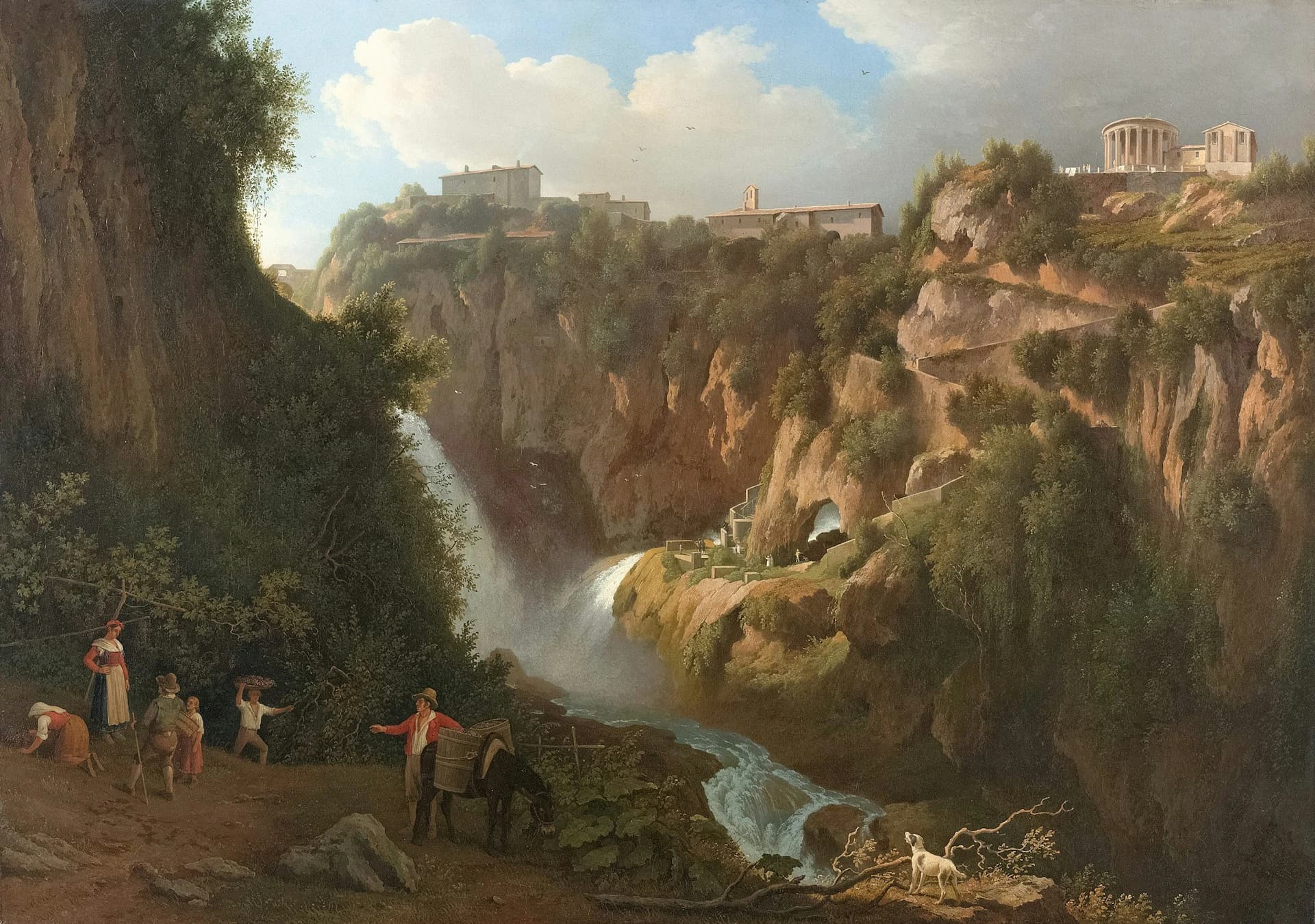
The road from Rome to Tivoli rises gradually through the Aniene valley. By the time you reach the quarry, you have passed three Roman aqueducts. They were built from the same stone that is now being cut in front of you.
The Gasperini family has worked this quarry since 1898. The current operation is run by Fabio, the great-grandson of Cesare, who first bought the rights from a local landowner. Fabio's daughter Elena, twelve, sat through our entire two-hour meeting and asked the most intelligent question of the day: she wanted to know whether we cared about which face of the stone faced the ground when it was cut.
The answer, which we had never thought about explicitly, is yes. Travertine is a sedimentary stone — laid down in horizontal layers over thousands of years by mineral-rich springs. The face that faced upward during deposition is denser, finer, and more uniformly coloured. The downward face is more porous, more given to inclusions. Elena had observed this and was checking that we knew.
The Corbel daybed uses the upper face for its visible surfaces. The hidden underside, which rests on the carved plinth, can be the lower face. There is no structural reason for this — both faces are strong. It is a question of presentation, and of respect for the stone's history of orientation.
We watched a single block come off the saw. Three metres long, half a metre thick, the colour of milky tea. The cut surface was wet and almost luminous. Within an hour of contact with the air, it would dry to the matt cream we recognise. Travertine is at its most beautiful for the first sixty minutes. Then it becomes itself.