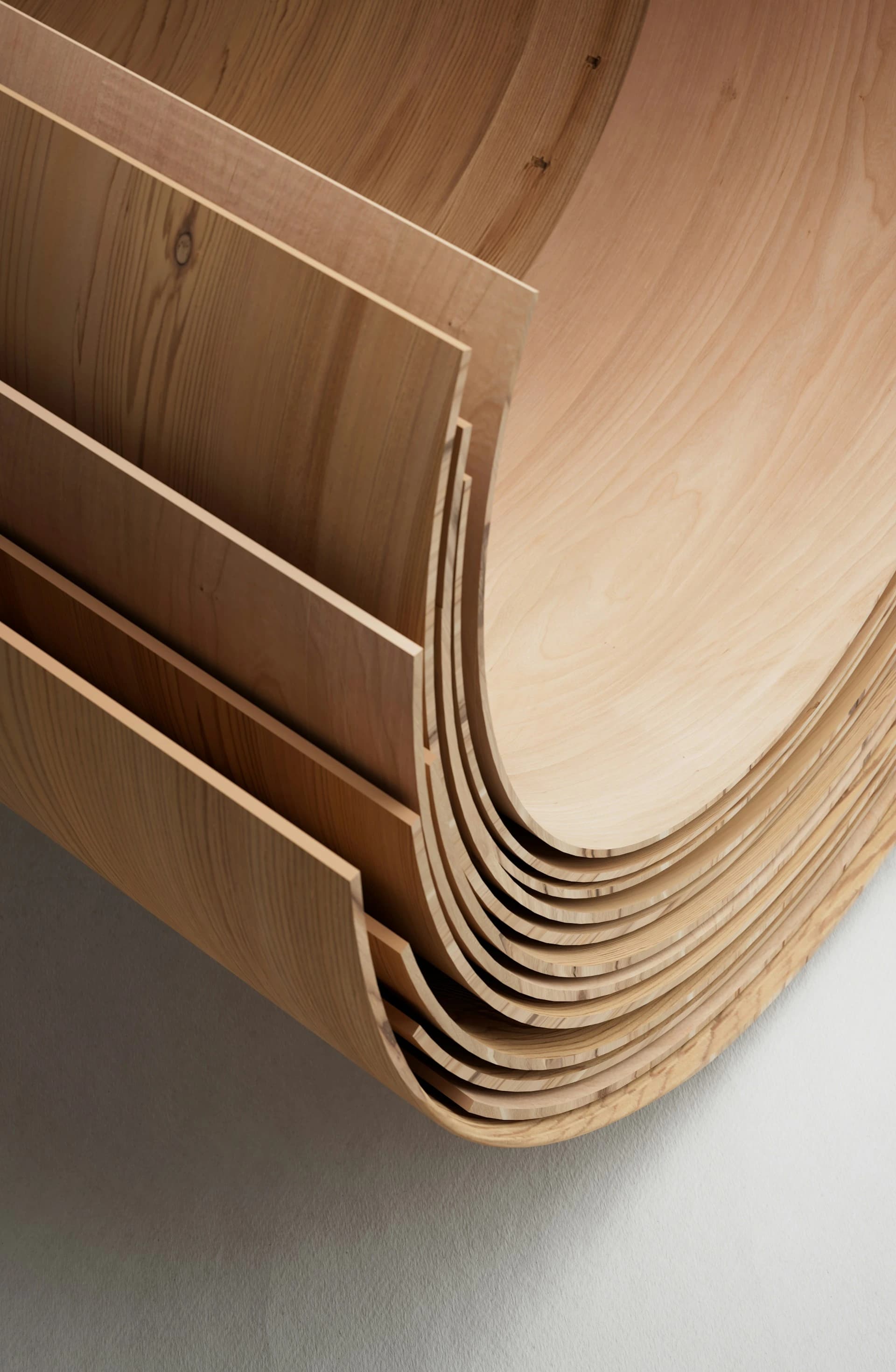
There is a moment, late in the making of every Solum piece, when the question arises: should we polish it? The answer, for fourteen years, has been no.
Polish is the conclusion of metal. It is what bronze becomes when it has decided to forget. We are not interested in forgetting. We are interested in the long, slow disclosure of surface — the way a hand, returning to an object across a decade, reads its own touch back.
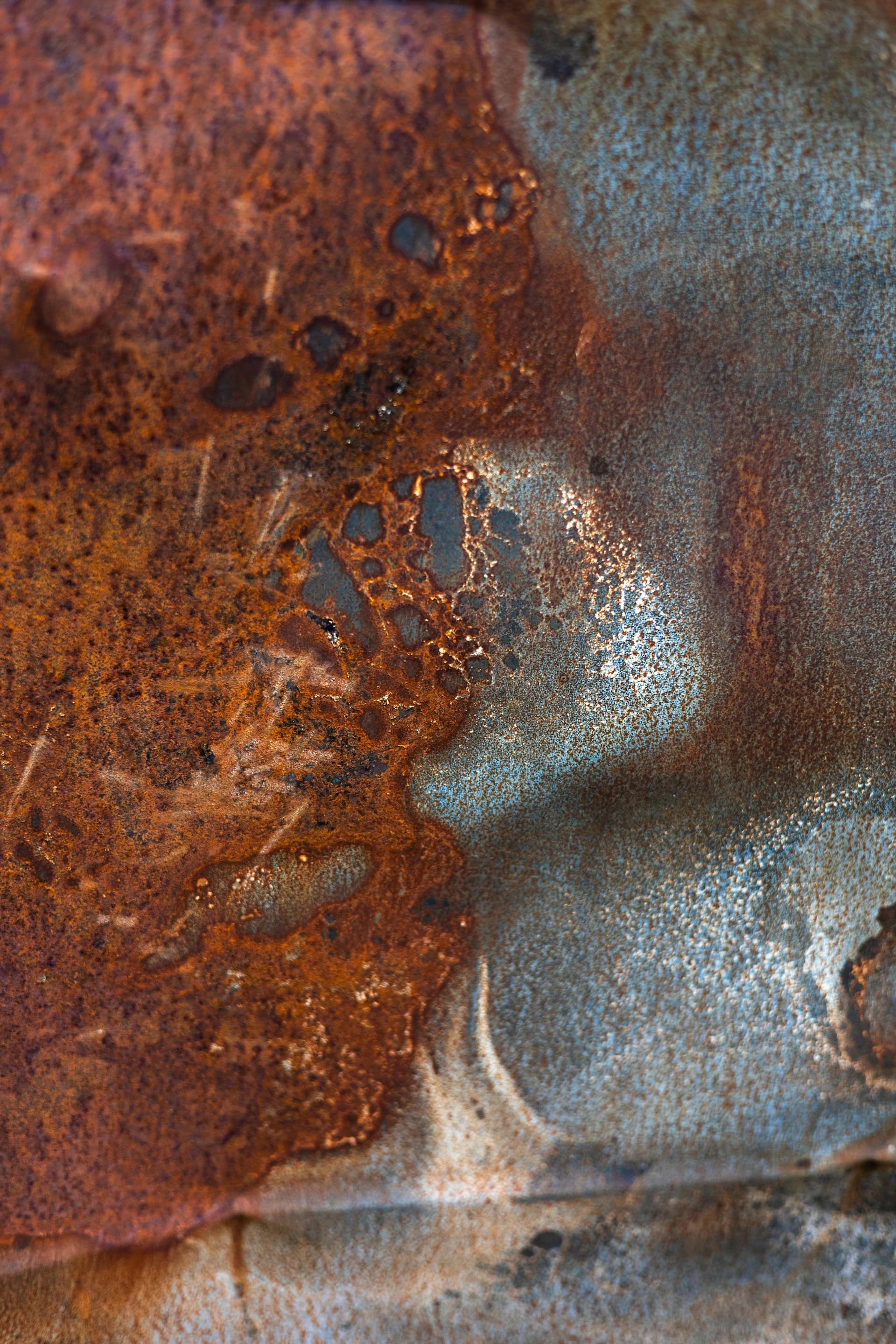
This is patina. Not the artificial darkness applied in the shop, but the deeper reading that the years compose. Skin oils. Sunlight. The small cataclysms of dust. A patinated object is one that has been allowed to keep score.
The Western tradition has long preferred polish. There is a confidence in it, a refusal of time. The high mirror of an Empire bronze, the chrome promise of the modernist chair — both are arguments for permanence. They claim that the object has reached its final form.
We make a different claim. We make objects that begin in their final form, and then move slowly away from it.
In the workshop, this requires restraint. Master Heo's apprentices are taught early that the patina they see at the end of a piece's making is not an end at all, but a starting tone. The bronzed ash of a Halo, the smelted aluminum of an Obelus — these surfaces are calibrated against the surfaces they will become, not against any image of newness.